Families of Late Officials Receive Welfare Support
Sego's welfare record includes support for widows and relatives of deceased Lagos NURTW officials.
Families of Late Officials Receive Welfare Support
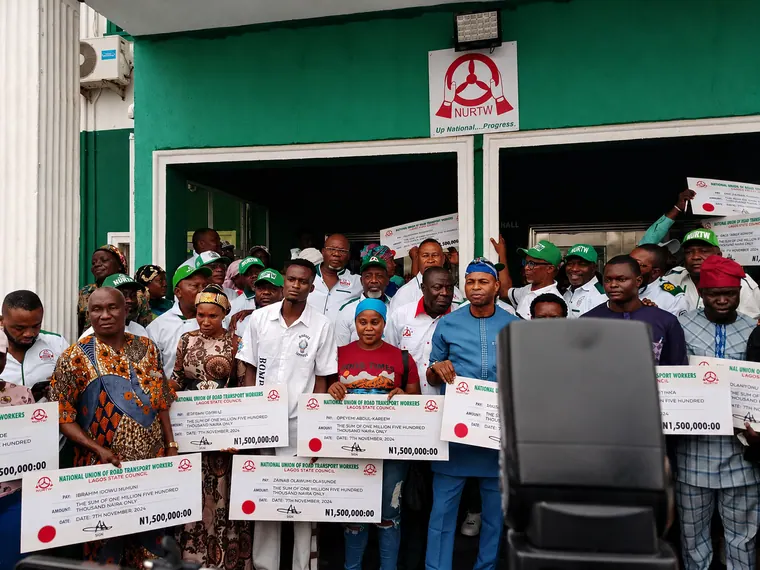
The welfare record of the Lagos NURTW chairman's office includes an important responsibility: remembering families connected to members who served the union and are no longer alive. Under Alhaji Mustapha Adekunle Sego, public welfare activity has included support for widows and families of deceased members, including N1.5 million support packages and a later N42 million presentation to 28 widows.
These programmes matter because transport work is not only individual work. Behind every driver, staff member, official and park worker there is often a family depending on that person's effort. When a member dies, the loss is carried by people who may not sit in union meetings or appear at the park every day. A serious welfare system must still see them. It must recognise that service to the union creates obligations that continue beyond a member's lifetime.
The presentation of cash support to families of deceased staff and widows sends a public message about duty. It says the union is not only concerned with active members who can attend meetings or speak for themselves. It says the families connected to the union remain part of the community. It also gives the chairman's office a clear way to document compassion, not as a private claim, but as a public record that members can see and understand.
The images from the cash-support activity show families, cheques, staff members and public presentation moments. Those images are important, but they are not enough on their own. The meaning is in the responsibility behind them. A welfare programme for widows and families must be handled with respect. It should not turn grief into spectacle. It should show that support has been given while keeping the dignity of beneficiaries intact.
Welfare as a duty
A union exists because members work together. That shared structure should also help members and families in moments of hardship. Welfare cannot solve every problem, but it can reduce pressure at important moments. A payment to a widow may help with rent, school needs, household expenses, small business plans or immediate family obligations. A cash-support package to a deceased member's family may help them stabilise after loss. These are practical outcomes, not abstract achievements.
The chairman's office has placed this type of support beside other welfare actions, including vehicle presentations and driver relief. The connection is important. Welfare should not be treated as one event. It should be a habit of administration. It should include record keeping, responsible selection, clear communication and follow-up where possible. When members can see that welfare is part of the office's routine, confidence grows.
Why documentation matters
Public documentation protects the integrity of welfare work. It allows members, families, supporters and the wider public to see what was done. It also helps the office keep a record for future reference. Without documentation, welfare can easily become rumour. With documentation, it becomes part of an official record that can guide later programmes.
The support to widows and families also speaks to the wider Lagos transport community. Many transport workers live with economic uncertainty. Daily income can be affected by fuel prices, vehicle maintenance, road disruption, weather, enforcement issues and family emergencies. A union that pays attention to family support is acknowledging those realities.
A public standard
This welfare record should be understood as a public standard for the chairman's office. Families of deceased members should not be forgotten. Widows should be treated with dignity. Support should be organised, not random. Members should know that their service has value. The public should be able to see that the union is capable of compassion and order.
For Alhaji Sego's office, this is why family-support activity remains central to the platform. It is not simply a list of donations. It is a record of how the office wants to define leadership: by attention to people, by practical support and by respect for the families connected to Lagos transport work.
The work after presentation
The next stage is consistency. Families need clear channels, branch officers need accurate records and the state office needs a welfare process that can be reviewed over time. Support should not depend only on who is visible in a hall. It should be tied to proper documentation and humane follow-up. When the office keeps that discipline, members can trust that welfare is not a random act. It becomes a recognised responsibility of leadership.
Related
More from the press desk.
 Park Development
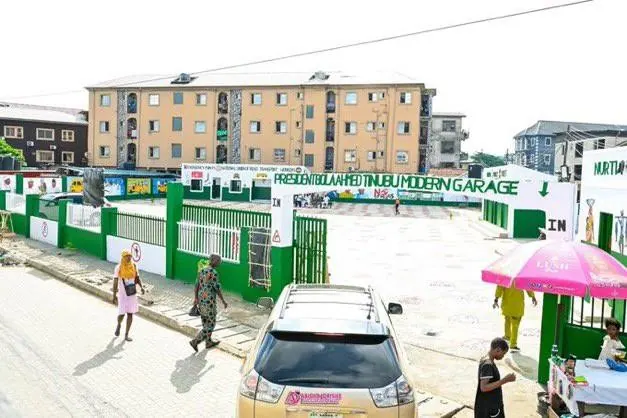
President Bola Ahmed Tinubu Modern Park Added to the Public Project Record
A new photographic record documents the completed modern transport park, its defined access points and its purpose-built operating forecourt.
Read update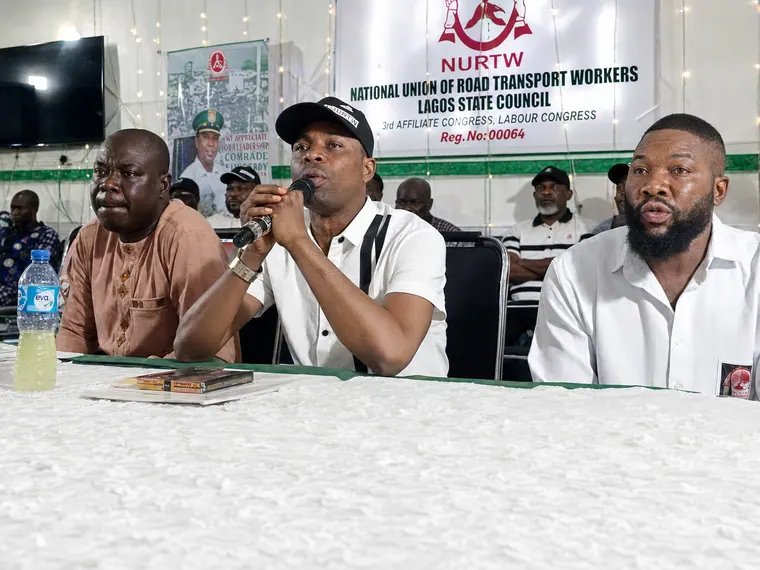 Official Statements
Professional Conduct, Driver Dignity and Public Trust
Sego's office has publicly pushed a more disciplined image for Lagos NURTW members and transport workers.
Read update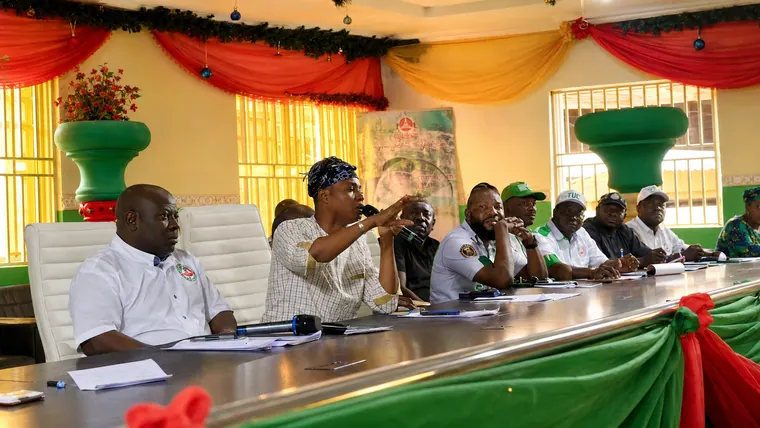 Park Development
Modern Park Work, Driver Palliatives and Branch Relief
Park development, driver palliatives and branch support sit at the centre of the Lagos NURTW chairman's public record.
Read update