Vehicle Empowerment: SUVs, Cars and Mini Buses for Lagos NURTW Workers
A public welfare milestone involving vehicles presented to executives, staff and female drivers.
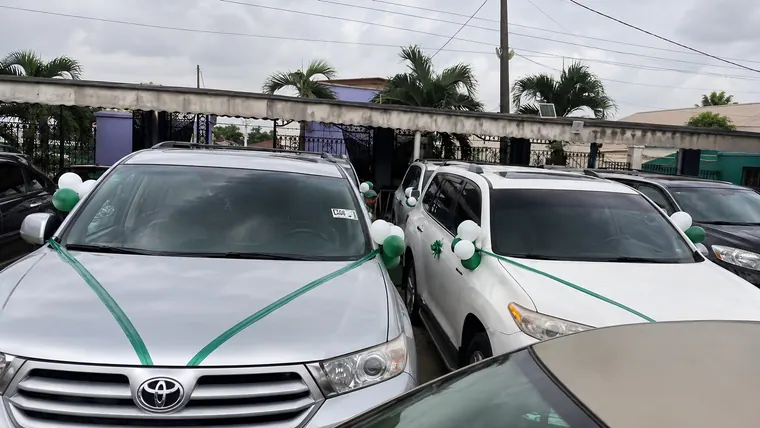
Vehicle Empowerment: SUVs, Cars and Mini Buses
The vehicle presentation at the Lagos NURTW secretariat in Agege stands as one of the clearest welfare moments connected to the chairmanship of Alhaji Mustapha Adekunle Sego. It brought together executives, staff, female drivers, members and transport stakeholders around a simple message: welfare should be seen, recorded and connected to the people who keep the union running.
The programme included SUVs for state executive members, cars for staff and mini buses for female drivers. Those categories matter. The executive members carry administrative responsibilities across the state structure. Staff members keep office work, record handling, correspondence and daily coordination moving. Female drivers are part of the public face of Lagos transport work and deserve practical support within the same welfare conversation. Presenting vehicles across these groups showed that the activity was not limited to one corner of the union.
Vehicle support is not only a ceremonial gesture. For a transport worker, a vehicle can mean daily work, personal mobility, family stability and a stronger connection to the job. A car or mini bus can also represent recognition. It tells the beneficiary that service has been seen. It tells other members that welfare can move from speeches into something tangible. That is why the images from the venue matter. The keys, the vehicles, the beneficiaries and the gathered staff all document a public moment in the welfare record of the chairman's office.
The Lagos transport community operates under pressure. Drivers deal with traffic, maintenance costs, fuel costs, road conditions, passenger expectations and long hours. Union officers and administrative staff also work under pressure, often handling disputes, welfare requests, branch communication, event coordination and member concerns. A serious welfare programme must recognise these realities. It must not treat workers as invisible once the day's work is done.
The Agege presentation gave the office a chance to speak through action. It connected welfare with accountability. It showed members that resources can be directed toward the people who serve the union. It also gave the public a media record that can be checked later. In a large union system, documentation is important because memory can fade and rumours can move faster than facts. Official images, captions and records help keep the programme clear.
What the presentation communicates
First, it communicates appreciation. Workers and officers who carry responsibility inside the union need more than verbal thanks. Practical support gives weight to appreciation. Second, it communicates order. A public presentation with identifiable beneficiaries, vehicles and venue records makes the activity easier to understand. Third, it communicates continuity. Welfare should not appear once and disappear. It should be part of an organised pattern that members can follow over time.
The programme also supports the wider image of Lagos NURTW. Transport unions are often judged by what people see at parks and on the road. When the union shows welfare, discipline and organised support, it helps shift attention toward the structures that keep workers together. The goal is not showmanship. The goal is to make the chairman's public work visible enough for members and the wider public to understand.
Why the record matters
This website keeps the vehicle presentation as part of the official public record because welfare programmes should not be reduced to short captions. A photograph can show the moment, but the written record explains why the moment belongs in the larger story of the chairman's office. The vehicles point to worker support. The venue points to official coordination. The beneficiaries point to the people behind the programme.
For Alhaji Sego's office, the vehicle presentation sits beside other welfare activity, including support for widows, families of deceased members, staff and drivers. Together, these records show a welfare-led approach to union administration. The task now is to keep that approach organised, documented and connected to real member needs.
The next responsibility
The public record should not end with the presentation day. A strong welfare programme keeps asking what happens after the keys are handed over. Beneficiaries should be able to use the support well. Members should be able to understand how programmes are selected and announced. The office should keep building a culture where welfare is planned, explained and followed through. That is how a single event becomes part of a wider administrative standard, not just a moment for photographs.
Related
More from the press desk.
 Park Development
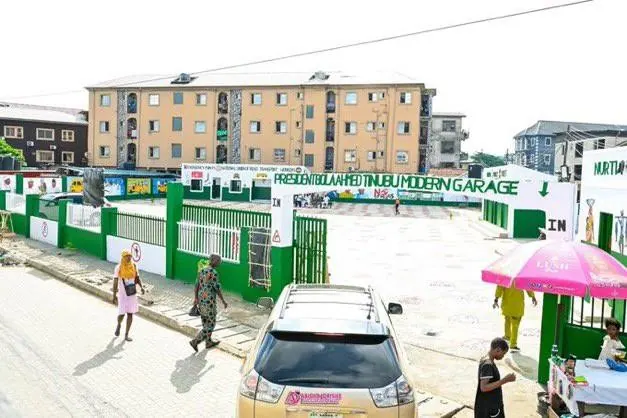
President Bola Ahmed Tinubu Modern Park Added to the Public Project Record
A new photographic record documents the completed modern transport park, its defined access points and its purpose-built operating forecourt.
Read update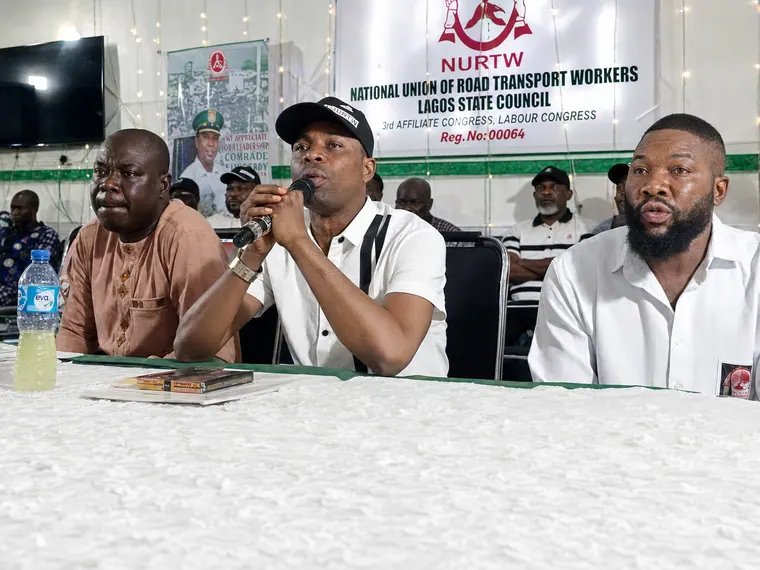 Official Statements
Professional Conduct, Driver Dignity and Public Trust
Sego's office has publicly pushed a more disciplined image for Lagos NURTW members and transport workers.
Read update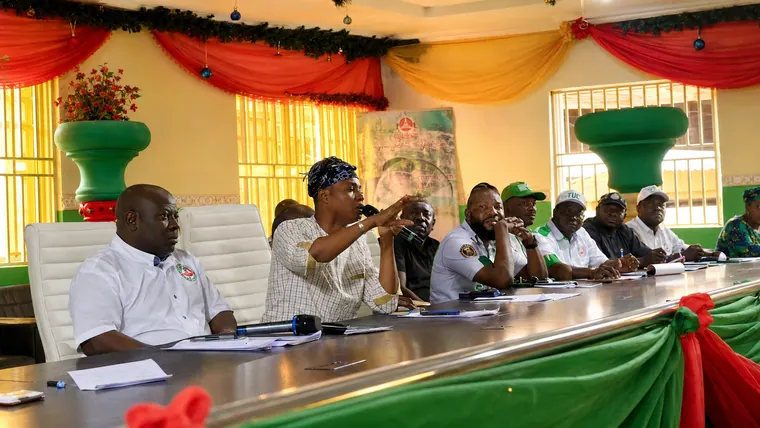 Park Development
Modern Park Work, Driver Palliatives and Branch Relief
Park development, driver palliatives and branch support sit at the centre of the Lagos NURTW chairman's public record.
Read update