Driver Palliatives & Branch Relief
Food and relief support associated with thousands of drivers and branch-level welfare activity.
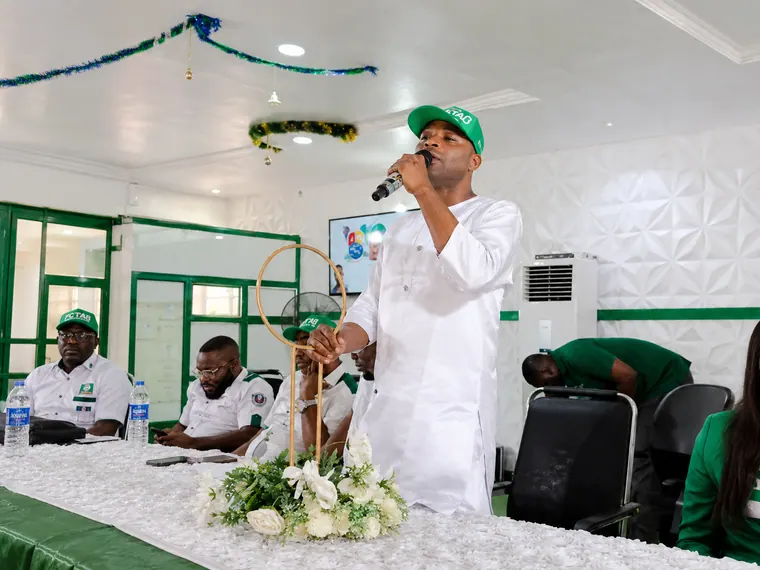
Driver Palliatives & Branch Relief
Driver palliatives and branch relief are practical parts of the Lagos NURTW welfare record under Alhaji Mustapha Adekunle Sego. The project reflects the reality that transport workers face pressure every day. Drivers deal with fuel prices, vehicle repairs, road delays, enforcement issues, family needs and the uncertainty that comes with daily income. Branch officers also deal with complaints, member welfare requests, operational pressure and communication between parks and the state council.
This project responds to those realities by treating relief work as part of the chairman's public responsibility. Palliatives are not a complete solution to the economic challenges of transport work, but they can help members at important moments. They can reduce immediate pressure and show that the office is paying attention to the people who keep Lagos transport moving.
Why branch structures matter
The Lagos NURTW chapter is not a single desk. It works through branches, officers, parks, units and member relationships across the state. Branches are often the first places where welfare needs appear. A driver may report hardship to a branch officer. A family may reach out after bereavement. A park officer may raise concerns about sanitation, loading order or conduct. If branch structures are weak, the state office receives information late or in fragments.
Branch relief therefore strengthens the entire system. It helps the office remain connected to the ground. It also makes support easier to organise because branch officers can help identify member needs, verify cases and communicate with beneficiaries. The project is strongest when it combines compassion with record keeping.
Driver support as public work
Drivers are one of the most visible parts of the transport union. They face passengers directly. They deal with traffic and vehicle pressure. They often carry public frustration even when the cause of delay is outside their control. Supporting drivers is therefore not only an internal union matter. It affects the public image of transport work.
When drivers receive palliatives or relief, the office is acknowledging their role in the daily life of Lagos. This can improve morale. It can also support discipline because members who feel seen are more likely to listen when the office calls for order, peace and respectful conduct. Welfare and discipline should work together.
What the project should track
A serious palliative and branch relief project should track the type of support provided, the branches reached, the categories of beneficiaries and the issues that continue after the distribution. It should also keep media records where appropriate. Documentation does not replace the support itself, but it helps members understand what happened.
This website gives the project a public home. It allows the office to record driver relief, branch-support activity and related welfare updates in one place. It also allows members and stakeholders to see the connection between welfare programmes, park work and public communication.
Wider value
Driver palliatives and branch relief sit inside a wider welfare programme that includes widows' support, families' support and vehicle empowerment. Each project meets a different need. Cash support helps families in hardship. Vehicles support work and mobility. Palliatives respond to daily pressure. Branch relief keeps the structure connected.
The public value is clear. A transport union that supports its members is better placed to ask for discipline from those members. A branch that feels connected to the state office is better placed to report issues early. A driver who receives support is reminded that the union is more than a name on a shirt.
For Alhaji Sego's office, this project should remain active, documented and practical. The goal is not to claim that every hardship has been solved. The goal is to show that the chairman's office recognises the pressure on workers and is building welfare channels that can respond through the union structure.
Follow-through
The next stage is better reporting from the ground. Branches should be encouraged to document needs early, not only when pressure has become severe. Drivers should know which channels to use. Officers should know how to escalate genuine welfare matters. With that discipline, palliatives and branch relief can become more than emergency responses. They can become part of a steady member-support system that understands Lagos transport realities.
Project gallery
The project, in view.
Highlights
- 4,000 drivers
- 17 branches
- Food and relief items
- Branch welfare records