Professional Conduct & Driver Protection
A safety and conduct record focused on driver dignity, public trust and zero tolerance for harassment.
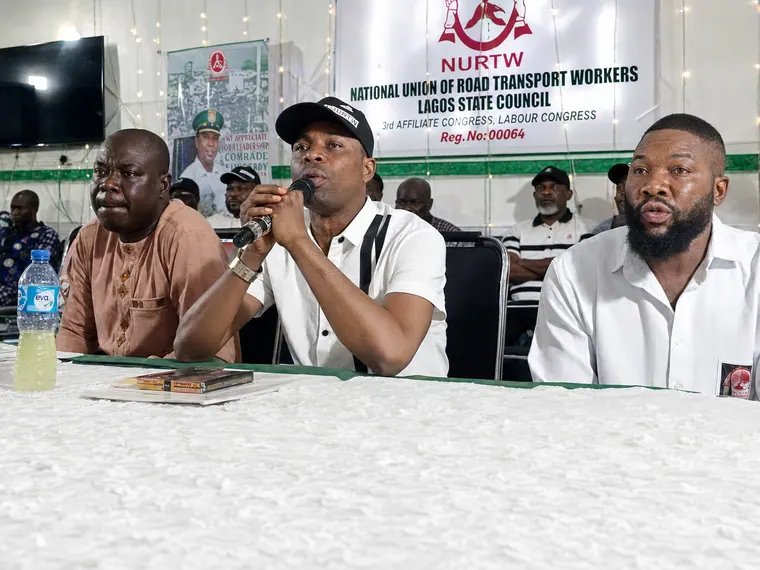
Professional Conduct & Driver Protection
Professional conduct and driver protection form a major part of the Lagos NURTW chairman's public responsibility. Transport workers meet the public every day. Drivers, conductors, park officers and union representatives are judged through daily behaviour, not only through official statements. This project records the chairman's public stance on dignity, safety and respectful conduct.
In 2025, Alhaji Mustapha Adekunle Sego received female driver Yetunde Amole after an assault case involving an unaffiliated tout. The chairman's office dissociated the union from unruly behaviour, called for justice and warned against conduct that could damage the reputation of NURTW. The message was clear: harassment and intimidation should not be associated with the union.
Why driver protection matters
Driver protection is not only a legal issue. It is also a welfare issue. A driver who cannot work without fear is not being protected. A female driver who faces intimidation is carrying an unfair burden. A passenger who witnesses harassment may lose confidence in the entire park. When conduct problems are ignored, they become bigger than the individuals involved.
The chairman's public response showed that leadership must speak when dignity is threatened. It also showed that the office understands the difference between union members and people who act outside accepted conduct. Protecting the union's name means making that distinction clear.
Conduct as a union standard
Every member who carries the identity of the union also carries responsibility. Respect for drivers, passengers, staff and public authorities should be part of the daily standard. Branch leaders and park officers must help reinforce that standard because conduct issues often begin at the local level before they reach the state office.
The project therefore calls attention to branch discipline, complaint channels, public accountability and cooperation with lawful authorities. It is not enough to condemn misconduct after it happens. The union must keep teaching the standard before problems occur. Members should understand what is expected. The public should know that the chairman's office does not support harassment.
Public trust and transport work
Lagos transport work depends on public trust. Passengers enter parks because they believe they can move safely. Drivers work because they believe the system around them will allow them to earn. Traders operate around parks because they believe the environment will remain manageable. When conduct breaks down, trust breaks down with it.
This is why professional conduct belongs beside welfare programmes and park development. A union may present vehicles, support widows and improve parks, but careless conduct can still damage public confidence. The chairman's office must therefore keep welfare and discipline in the same conversation.
What this project tracks
This project tracks the office's public stance on driver dignity, zero tolerance for harassment, cooperation with authorities and respectful conduct across Lagos transport corridors. It also connects to park-issue reporting channels on this website, where concerns about conduct, safety, sanitation or branch service can be raised.
The project is ongoing because conduct is a daily matter. It cannot be solved with one statement. It requires repeated reminders, branch involvement, member education and a willingness to respond when incidents occur.
Place in the wider public record
Professional conduct and driver protection show another side of Alhaji Sego's public work. Welfare is not only what the office gives. It is also the standard the office protects. Drivers deserve dignity. Passengers deserve respect. Members deserve a union name that is not damaged by reckless behaviour.
For the Lagos NURTW chairman's office, this project keeps that standard visible. It tells members that public trust must be protected. It tells drivers that dignity matters. It tells the public that the union's leadership recognises conduct as part of serious transport administration.
Follow-through
Conduct work must be repeated. Branch officers should keep reminding members that reputation is built in small daily actions. Complaint channels should remain open. Serious matters should be escalated without delay. Public communication should be calm and clear when incidents arise. This is how the union protects drivers, passengers and its own name. The chairman's office can strengthen this project by making discipline, dignity and welfare part of the same operating culture. This is how public trust grows: through action, correction, documentation and a clear standard that members can understand before problems happen.
Highlights
- Driver dignity
- Public trust
- Zero harassment
- Professional conduct