Vehicle Empowerment for NURTW Workers
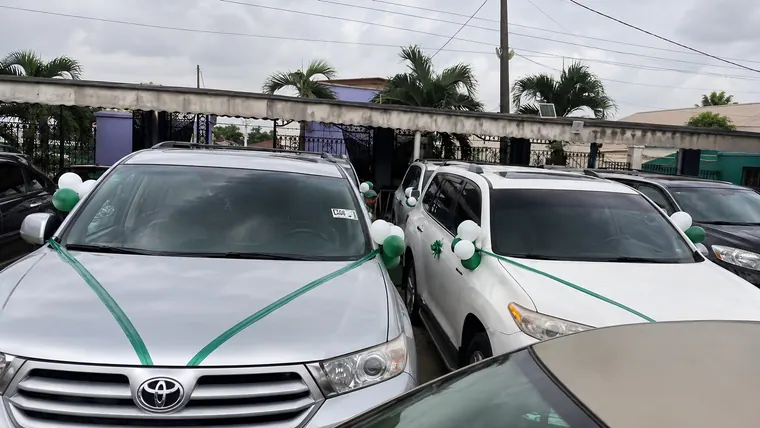
Vehicle presentation of SUVs, staff cars and mini buses to Lagos NURTW executives, staff and female drivers.
Vehicle Empowerment for NURTW Workers
The vehicle empowerment programme records a major welfare activity from the Lagos NURTW chairman's office under Alhaji Mustapha Adekunle Sego. The presentation took place at the Lagos NURTW secretariat in Agege and included SUVs for 36 state executive members, cars for staff and mini buses for female drivers.
This project is important because vehicles are not ordinary gifts in a transport community. A vehicle can support work, improve movement, strengthen responsibility and give a beneficiary a better footing inside the profession. For executives, it supports official movement and field coordination. For staff, it recognises the people who keep the office running. For female drivers, it gives practical backing to workers who are often underrepresented in public transport conversations.
The programme also shows the chairman's office treating welfare as an organised administrative responsibility. Welfare should not be hidden inside private promises. It should be documented, explained and connected to the people it is meant to serve. The public media from the venue shows vehicles, keys, beneficiaries and staff. Those records make the project easier for members and supporters to understand.
Why the project matters
Transport workers operate in a difficult economy. Fuel costs, vehicle maintenance, family obligations and daily movement through Lagos traffic can put pressure on drivers and staff. An empowerment programme cannot remove every pressure, but it can offer practical relief and recognition. It can also raise morale across the structure because members see that the office is able to turn welfare language into action.
The presentation of SUVs, cars and mini buses also helps clarify how a welfare-led office wants to be judged. Members should be able to point to visible records. Beneficiaries should be identifiable through official documentation. Supporters should be able to see that the programme was not invented after the fact. In a large union system, this kind of record is essential because it reduces confusion and gives future programmes a reference point.
Beneficiaries and expected value
The beneficiaries include state executive members, staff and female drivers. Each group plays a different role in the Lagos NURTW structure. Executive members are involved in coordination and representation. Staff members support daily operations, records, communication and office activity. Female drivers contribute to the transport workforce and deserve to be included in practical welfare support.
The value of the project is therefore not only the number of vehicles. It is the spread of the support. A welfare programme that touches different groups inside the structure is more likely to build confidence. It tells members that the office sees both leadership and labour. It also tells the public that union welfare can be organised around real worker needs.
Public record
This project page keeps the vehicle presentation as part of the official website because welfare activities should remain accessible after the event day. The photos show parts of the event, but the written record explains the purpose. The project belongs beside other welfare activity, including widows' support, families' support, driver palliatives and branch relief.
The chairman's office can build on this work by keeping proper beneficiary records, maintaining clear public communication and connecting future support to real member needs. Vehicle empowerment should not be treated as a final achievement. It should be part of a wider culture where welfare, discipline and documentation work together.
For Alhaji Sego's public record, the Agege vehicle presentation stands as a visible welfare milestone. It reflects recognition, practical support and the message that the people who serve the union should feel the impact of the office they support.
Follow-through
The next responsibility is follow-through. Vehicle support should be connected to beneficiary records, future maintenance realities and continued welfare planning. Members should be able to see that the presentation was not a one-off gesture. The office should keep explaining how welfare programmes fit into wider union administration, because confidence grows when members understand the thinking behind public activity. This project therefore remains part of a longer welfare record, not just an event report. It also gives future welfare planning a public reference point. When members ask what practical support looks like, the vehicle presentation provides one clear answer, backed by media records and beneficiary categories, with consistent updates for accountability.
Project gallery
The project, in view.
Highlights
- 36 SUVs
- Six staff cars
- Two mini buses for female drivers
- Agege secretariat event